
The Essential Guide to Choosing a Reliable Mobile Notary Service

Finding a trustworthy mobile notary service can save you time and hassle when you need important documents notarized. Whether you are signing legal papers, real estate documents, or financial agreements, a reliable mobile notary brings convenience right to your doorstep. This guide will help you understand what to look for in a mobile notary service, how to verify their credentials, and tips for a smooth notarization process.

What Is a Mobile Notary Service?
A mobile notary is a licensed professional who travels to meet clients at their preferred location to notarize documents. This service is especially useful for people who cannot visit a notary office due to mobility issues, busy schedules, or urgent needs. Mobile notaries handle a variety of documents, including:
Property deeds and real estate contracts
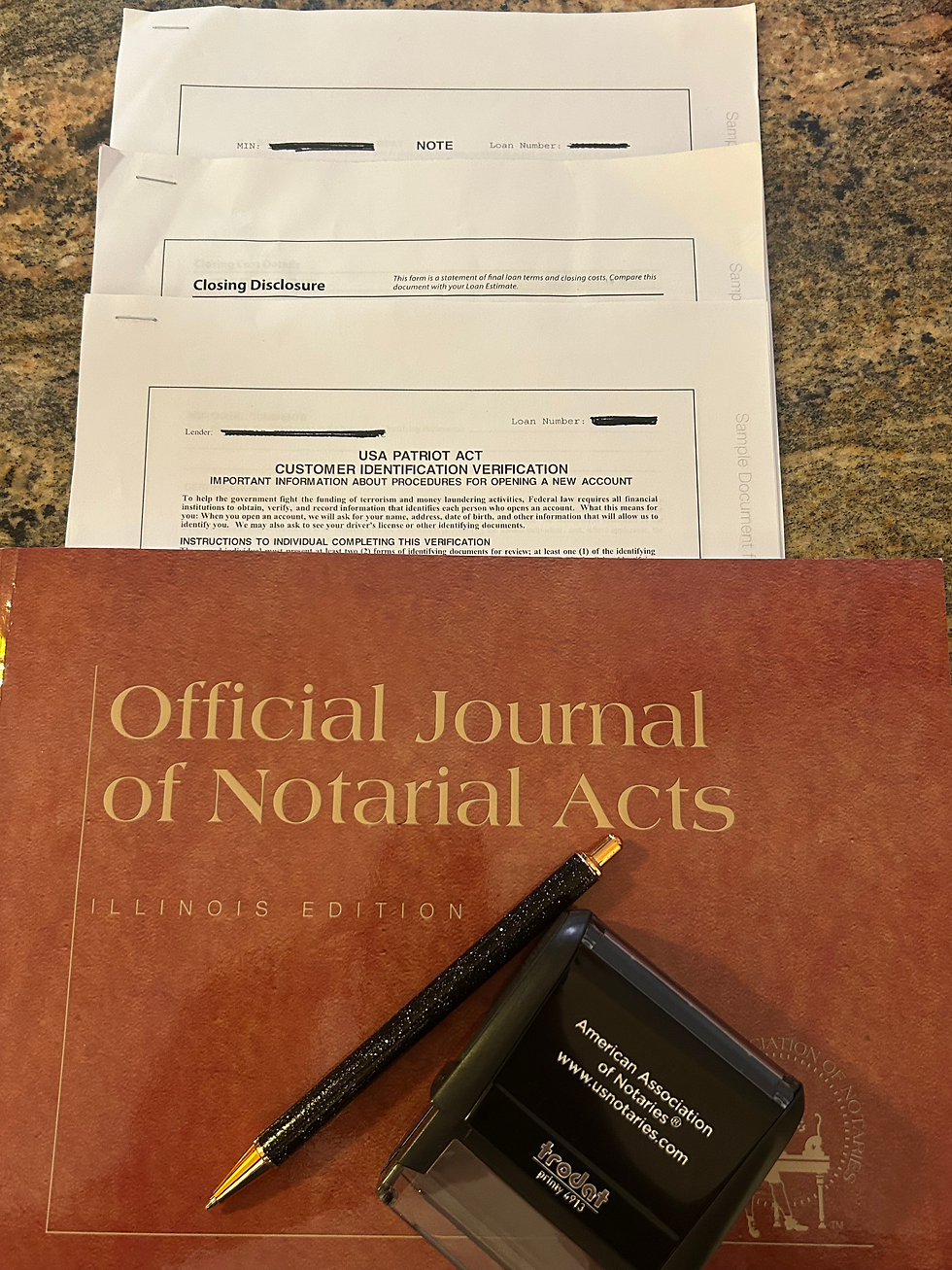
Loan and mortgage documents
Powers of attorney
Wills and trusts
Business agreements
The key benefit is flexibility. Instead of you going to the notary, the notary comes to you, often outside regular business hours.
Why You Need a Reliable Mobile Notary
Notarization is a legal process that verifies the identity of signers and ensures documents are signed willingly and without fraud. Choosing an unreliable notary can lead to:
Invalid notarizations that cause legal delays
Exposure to fraud or identity theft
Wasted time and money if documents must be re-signed
A reliable mobile notary protects your interests by following strict legal standards and maintaining confidentiality. They also provide peace of mind knowing your documents are handled professionally.
How to Verify a Mobile Notary’s Credentials
Before hiring a mobile notary, confirm their qualifications to avoid problems later. Here are steps to verify credentials:
Check state licensing: Notaries are licensed by state authorities. Visit your state’s official notary public website to confirm the notary’s license status and expiration date.
Ask for identification: A professional notary should provide a government-issued ID and their notary commission certificate upon request.
Look for errors and complaints: Search online for reviews or complaints about the notary. Some states publish disciplinary actions against notaries.
Confirm insurance and bonding: Many mobile notaries carry errors and omissions insurance or surety bonds to protect clients in case of mistakes.
Taking these steps ensures you work with a qualified and trustworthy professional.
Questions to Ask Before Hiring a Mobile Notary
To find the best mobile notary for your needs, ask these important questions:
What types of documents do you notarize?
Are you licensed and insured in this state?
What are your fees, and do you charge for travel?
What forms of identification do you accept?
Can you accommodate urgent or after-hours requests?
How do you protect client privacy and document security?
Clear answers will help you avoid surprises and choose a notary who fits your requirements.
Understanding Mobile Notary Fees
Mobile notary fees vary depending on location, document type, and travel distance. Typical charges include:
A base fee per notarized signature, often set by state law
A travel fee based on mileage or time
Additional fees for after-hours or weekend service
For example, a notary might charge $15 per signature plus $0.50 per mile traveled. Always get a detailed fee estimate upfront to avoid unexpected costs.
Preparing for Your Mobile Notary Appointment
To make the notarization process smooth and efficient, prepare the following before the notary arrives:
Bring valid government-issued photo ID for all signers
Do not sign documents before the notary arrives
Have all pages of the document ready and organized
Know the exact documents that need notarization
Arrange a quiet, well-lit space for the appointment
Being prepared helps the notary complete the process quickly and accurately.
Common Mistakes to Avoid When Using a Mobile Notary
Even with a reliable notary, mistakes can happen. Avoid these common errors:
Signing documents before the notary is present
Using expired or invalid identification
Not reviewing documents carefully before signing
Hiring a notary without verifying credentials
Forgetting to ask about fees and travel charges
Avoiding these pitfalls protects your documents and saves time.
Benefits of Using a Mobile Notary Service
Mobile notaries offer several advantages over traditional notary offices:
Convenience: They come to your home, office, or other location.
Flexibility: Many offer evening and weekend appointments.
Speed: Faster service for urgent documents.
Accessibility: Ideal for people with limited mobility or transportation.
These benefits make mobile notaries a practical choice for busy individuals and businesses.
How to Find a Mobile Notary Near You
Finding a mobile notary is easier than ever with online directories and apps. Here are some ways to locate one:
Search state notary public websites for registered mobile notaries
Use online platforms like Notary Rotary or 123notary
Ask for recommendations from friends, lawyers, or real estate agents
Check local business listings and reviews on Google or Yelp
Compare options based on reviews, fees, and availability before making a decision.
What to Expect During the Notarization Process
When the mobile notary arrives, the process usually follows these steps:
The notary verifies your identity with valid ID.
You sign the documents in the notary’s presence.
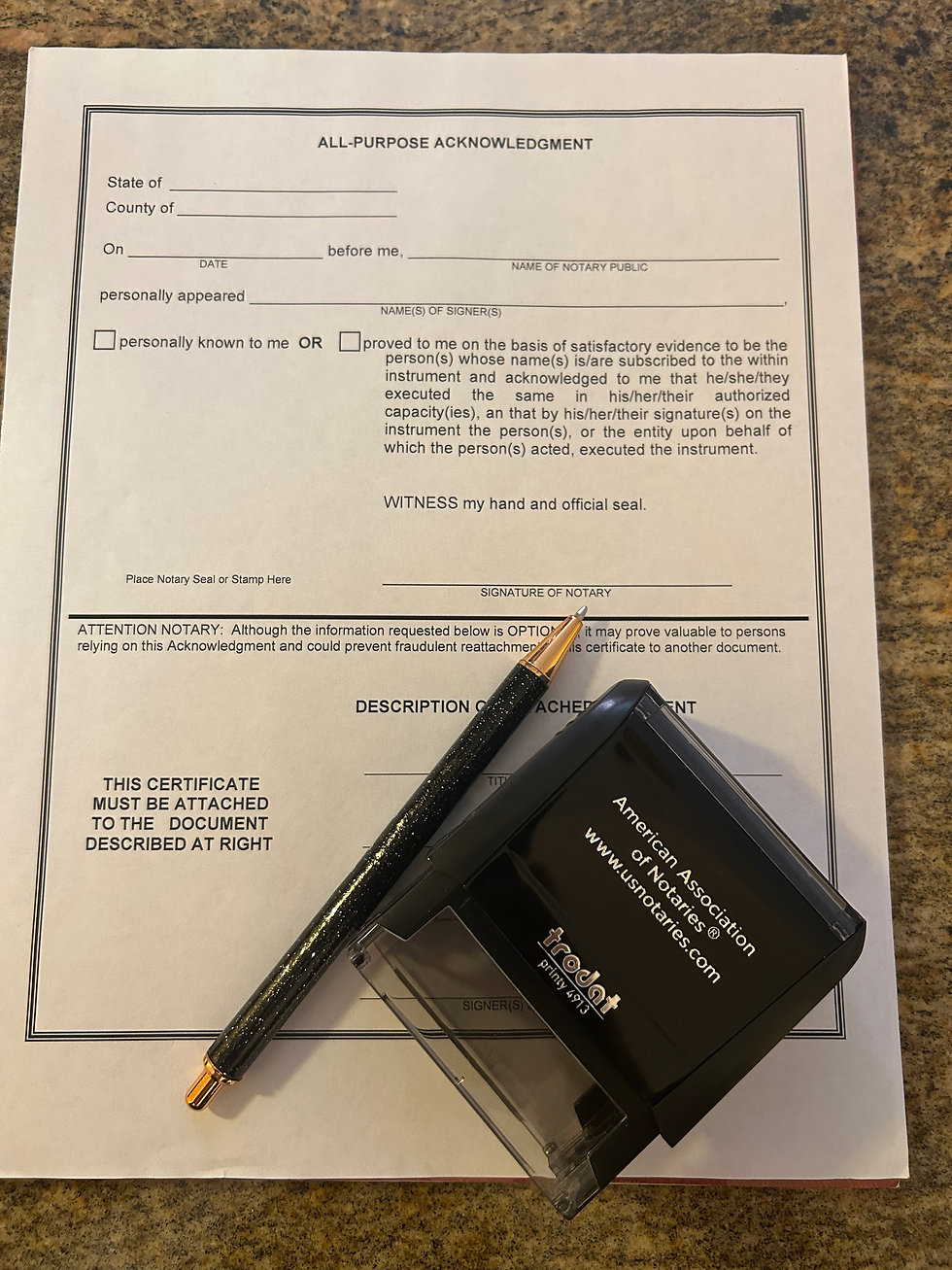
The notary completes the notarial certificate and applies their seal.
You receive the notarized documents for your records.
The entire process typically takes 15 to 30 minutes depending on the number of documents.
Protecting Your Privacy and Security
Mobile notaries handle sensitive personal and financial information. To protect your privacy:
Confirm the notary follows state laws for record-keeping and confidentiality
Avoid sharing unnecessary personal information
Request secure handling and return of documents
Use a notary who offers encrypted communication if documents are sent electronically
Taking these precautions helps keep your information safe.

Comments